
A Journey Through a UNESCO World Heritage Site
Step into a masterfully preserved 18th-century fortified town where European military architecture meets Moroccan soul. Wander through the stone-walled Medina, a labyrinth of white-and-blue alleyways that once served as the primary gateway between the Saharan trade routes and the world.
The Wind City: A Global Kitesurfing & Maritime Hub
Known as the “Windy City of Africa,” Essaouira is a world-class destination for kitesurfing and windsurfing enthusiasts drawn by the consistent trade winds. Down at the bustling port, the iconic blue wooden boats and historic shipyards keep the city’s ancient seafaring traditions alive today.
Wild Coastal Beauty and Ancient Argan Forests
Beyond the ramparts lies a landscape of raw, natural wonder, from the sweeping golden dunes of the Atlantic coast to the protected bird sanctuaries of the Purpuraires Islands. Inland, the region is home to the world’s rare Argan forests, where tradition and nature thrive in a unique UNESCO Biosphere Reserve.
The Essaouira Experience
Discover the three pillars that make Essaouira an unforgettable destination. From its ancient fortified roots to its spirited wind culture and sweeping Atlantic landscapes, there’s a world of wonder waiting for you.
Step into a Timeless Citadel
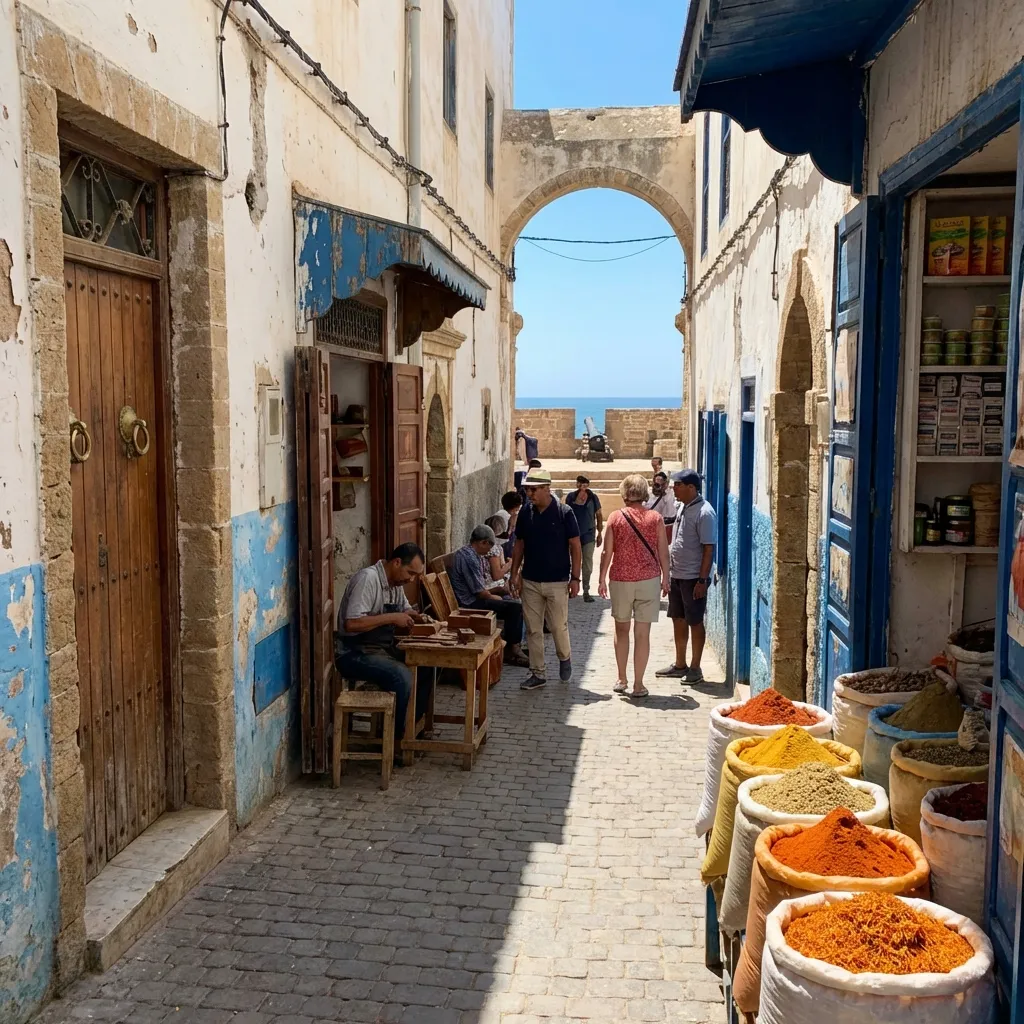
Immerse yourself in the captivating heritage of the Medina of Essaouira, a designated UNESCO World Heritage Site. Formerly known as Mogador, this outstanding example of 18th-century military architecture offers a unique window into a multicultural past. Wander through the whitewashed alleyways and blue-shuttered workshops that now house marquetry artisans, art galleries, and aromatic spice souks. Every stone of the Skala de la Kasbah and its historic ramparts tells a story of trade routes and pirates, waiting for you to discover it.
The Pulse of the Windy City
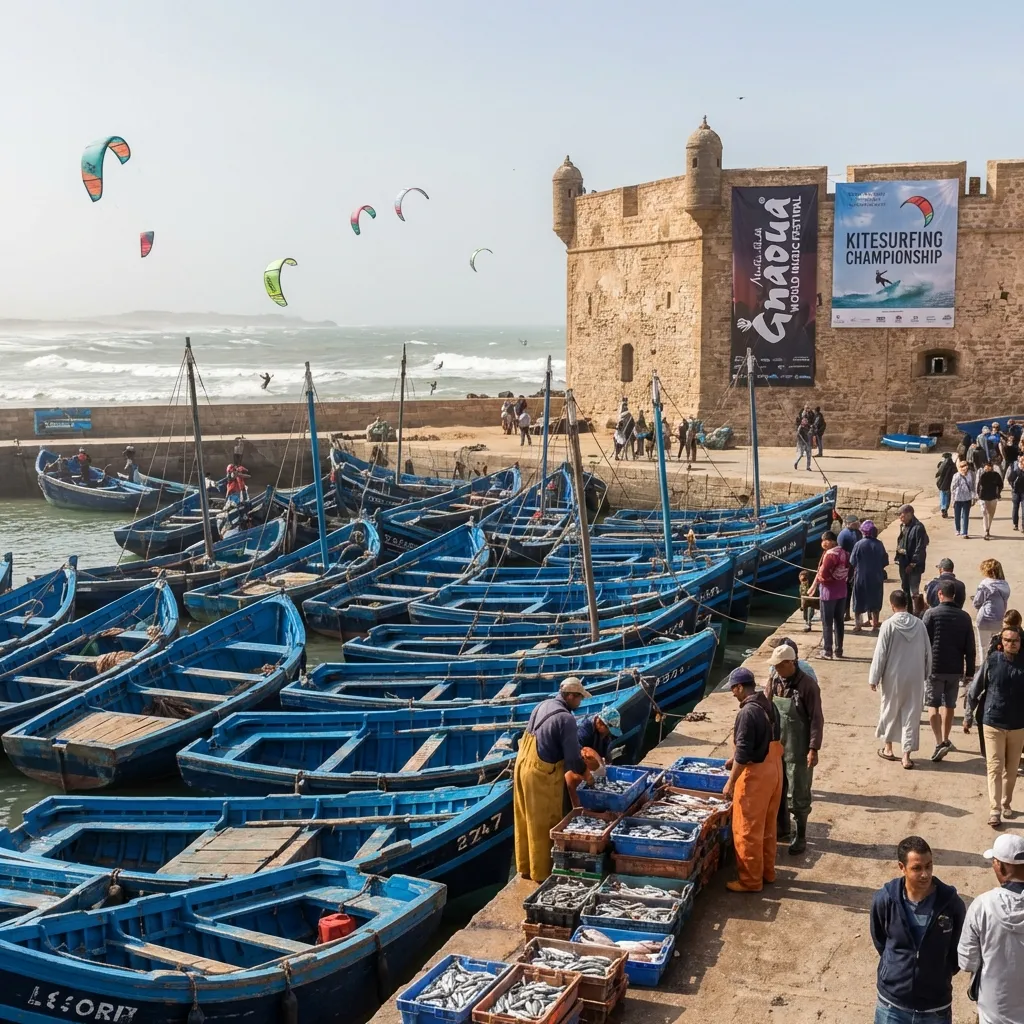
Essaouira is the vibrant epicenter of wind and water sports in North Africa. Known as the “Windy City,” it is home to world-class events like the Gnaoua World Music Festival and international kitesurfing championships, keeping the atmosphere buzzing with energy. Stroll along the lively port to admire the iconic fleet of bright blue fishing boats and watch fishermen haul in the day’s catch. Whether you are an adrenaline-seeking kitesurfer or a curious traveler, the bohemian maritime atmosphere is infectious.
Unwind on the Wild Atlantic Coast
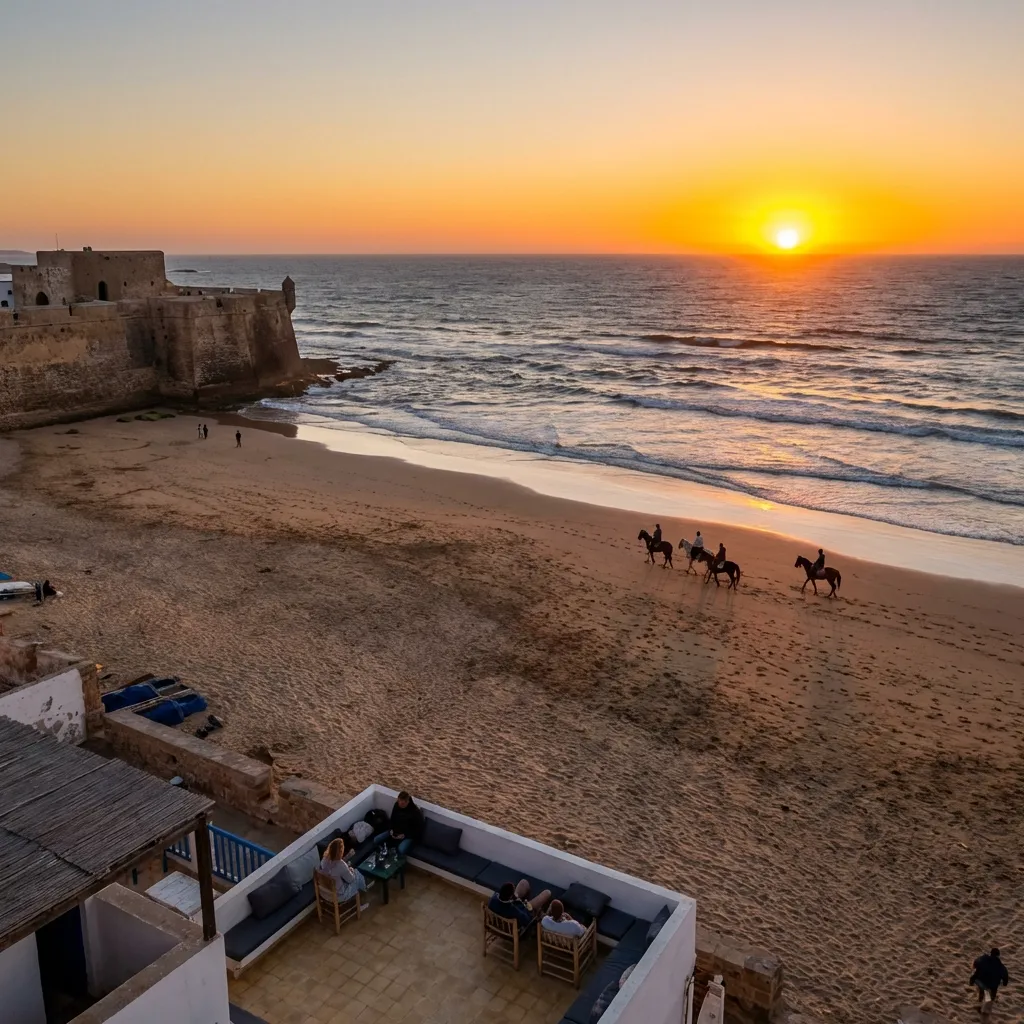
Beyond its historic stone walls, Essaouira is a sanctuary of raw coastal beauty. For an unforgettable vista, make your way to the Skala du Port or a rooftop terrace to witness one of the most dramatic sunsets in Morocco, dropping directly into the Atlantic waves. Relax on the endless stretch of golden sand, where you can take a refreshing walk, enjoy a horseback ride through the dunes, or simply bask in the glorious, breezy Moroccan sun.
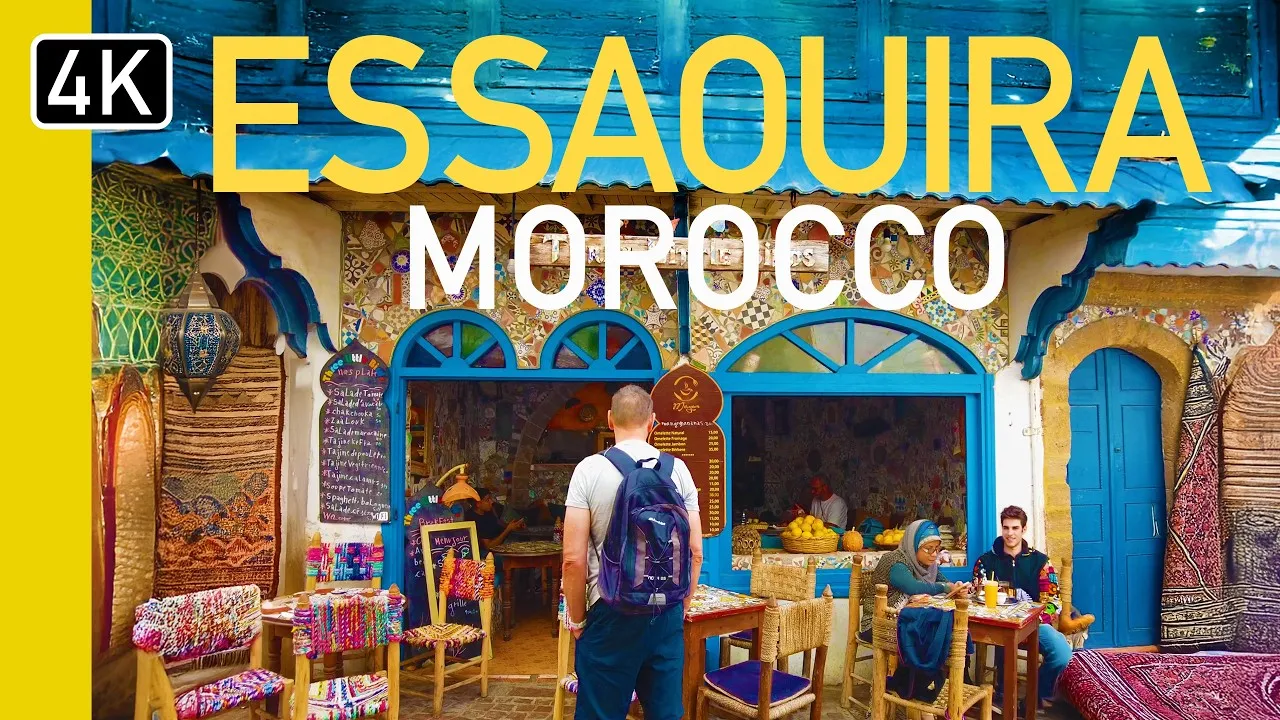
Essaouira: Your Atlantic Adventure Awaits
Dive into the heart of Morocco’s windswept coast at Essaouira. Whether you’re kitesurfing the rolling Atlantic waves, walking the ramparts of the ancient Medina, or galloping on horseback across the dunes, adventure is always on the horizon. Experience the thrill of world-class wind sports and the beauty of endless golden sands.
Essaouira, Morocco’s Coastal Jewel
The Wind & Water Sports Enthusiast
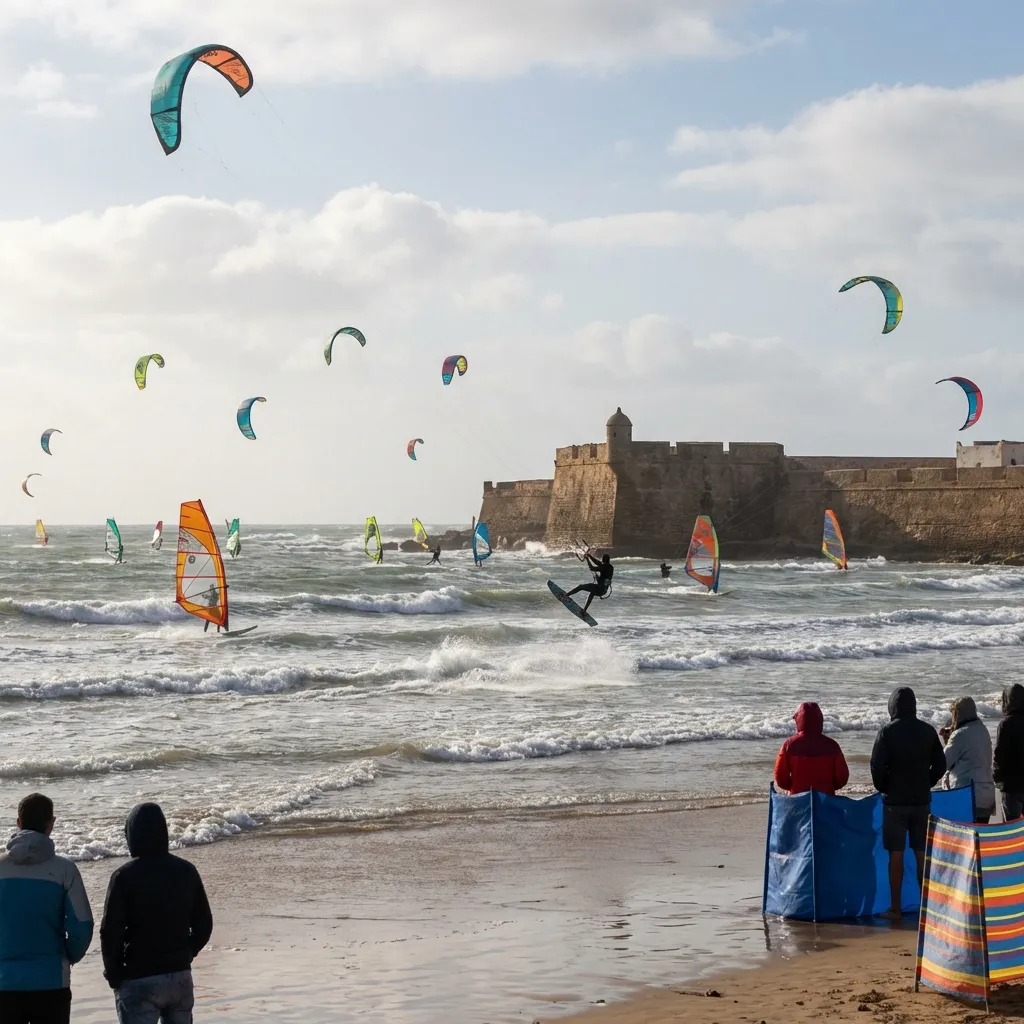
Known as the “Windy City of Africa,” Essaouira is a premier global destination for kitesurfing and windsurfing.
The History and Culture Buff
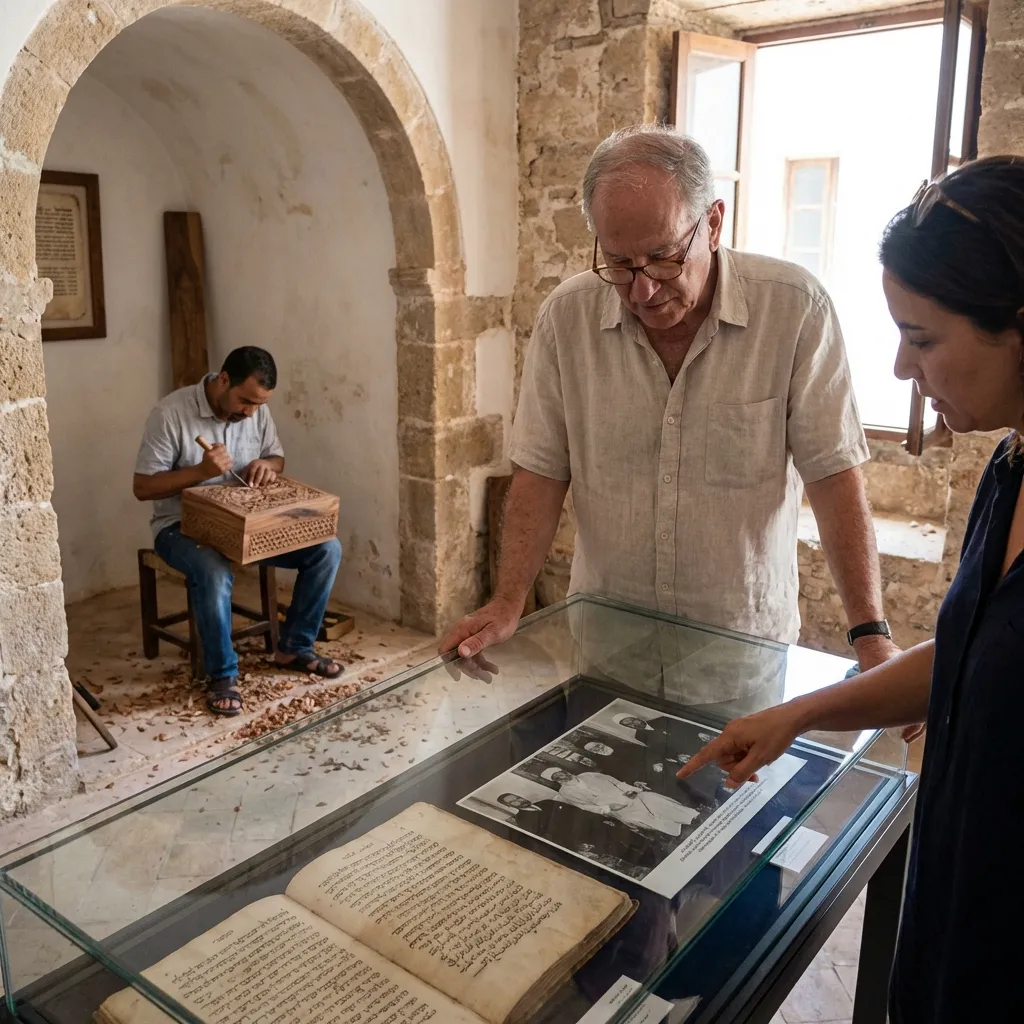
trip focused on deep-diving into the multicultural soul of the city, perfect for those who love exploring the intersection of civilizations.
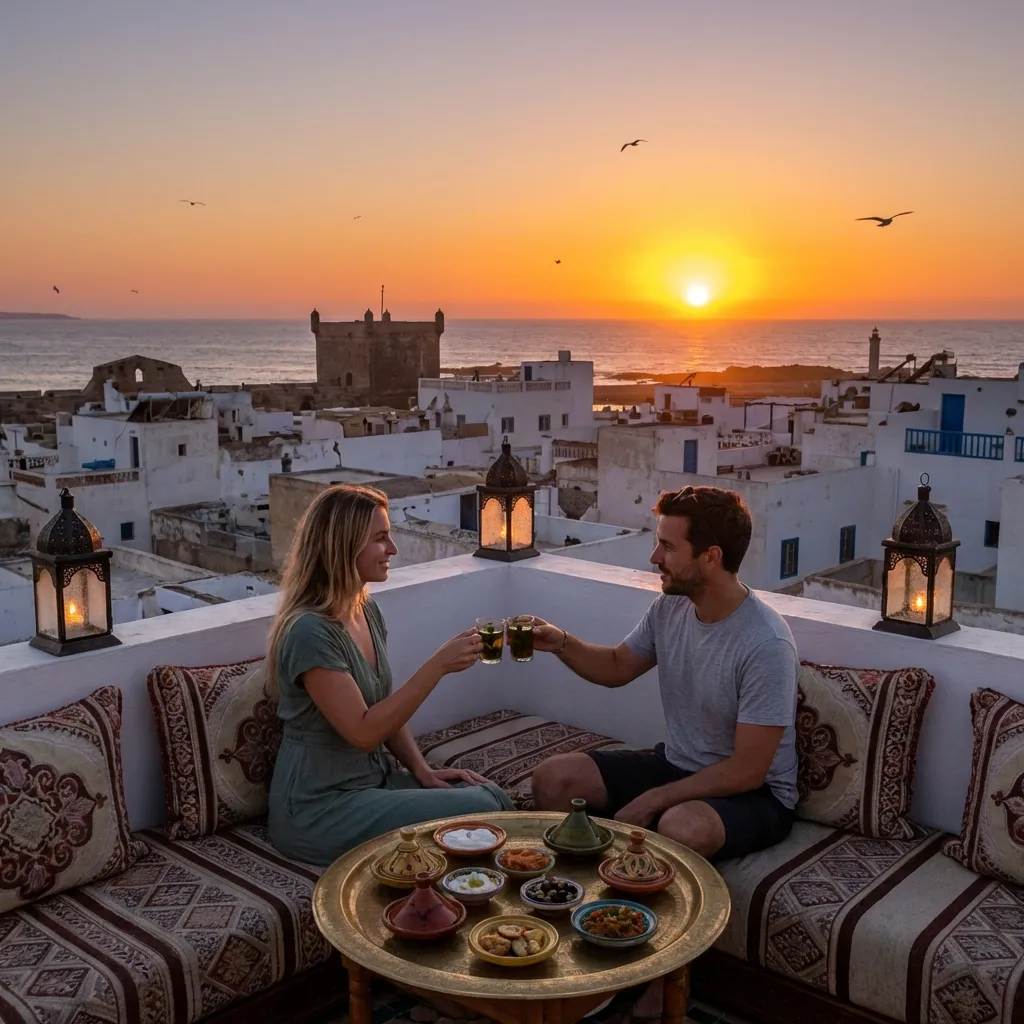
The Romantic Getaway
A bohemian escape for couples seeking dramatic sunsets, intimate Riad stays, and relaxed vibes.
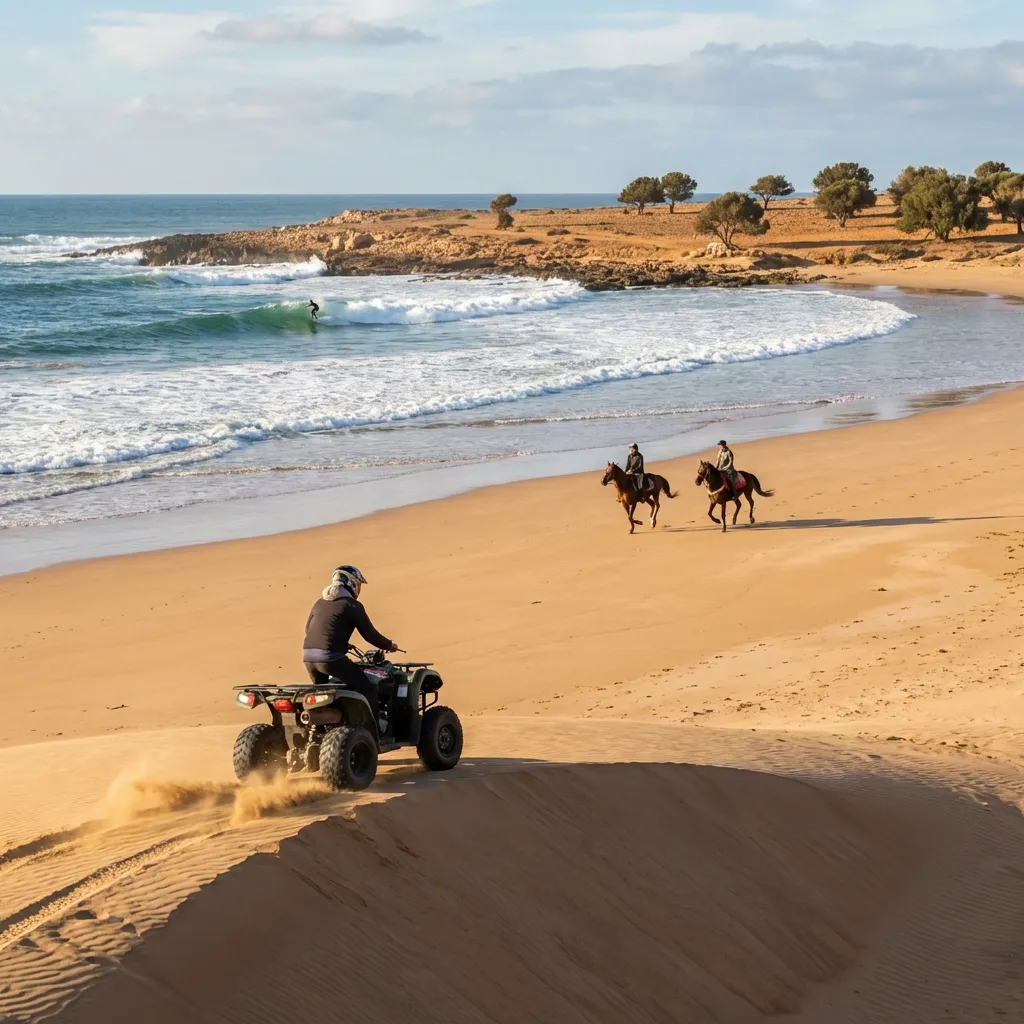
Birthday Party
An active vacation for those who want to experience Morocco’s wild nature beyond the city walls.
Travel Guide to Essaouira, Morocco: Africa’s Windy City and Coastal Gem
Marrakech screams. It grabs you by the collar, shakes you down for dirhams, and overloads your senses until you can’t tell the difference between cumin and exhaust fumes. Essaouira doesn’t do that. It just sits there, bleaching in the salt spray, not really caring if you visit or not. And that is exactly why you have to go.
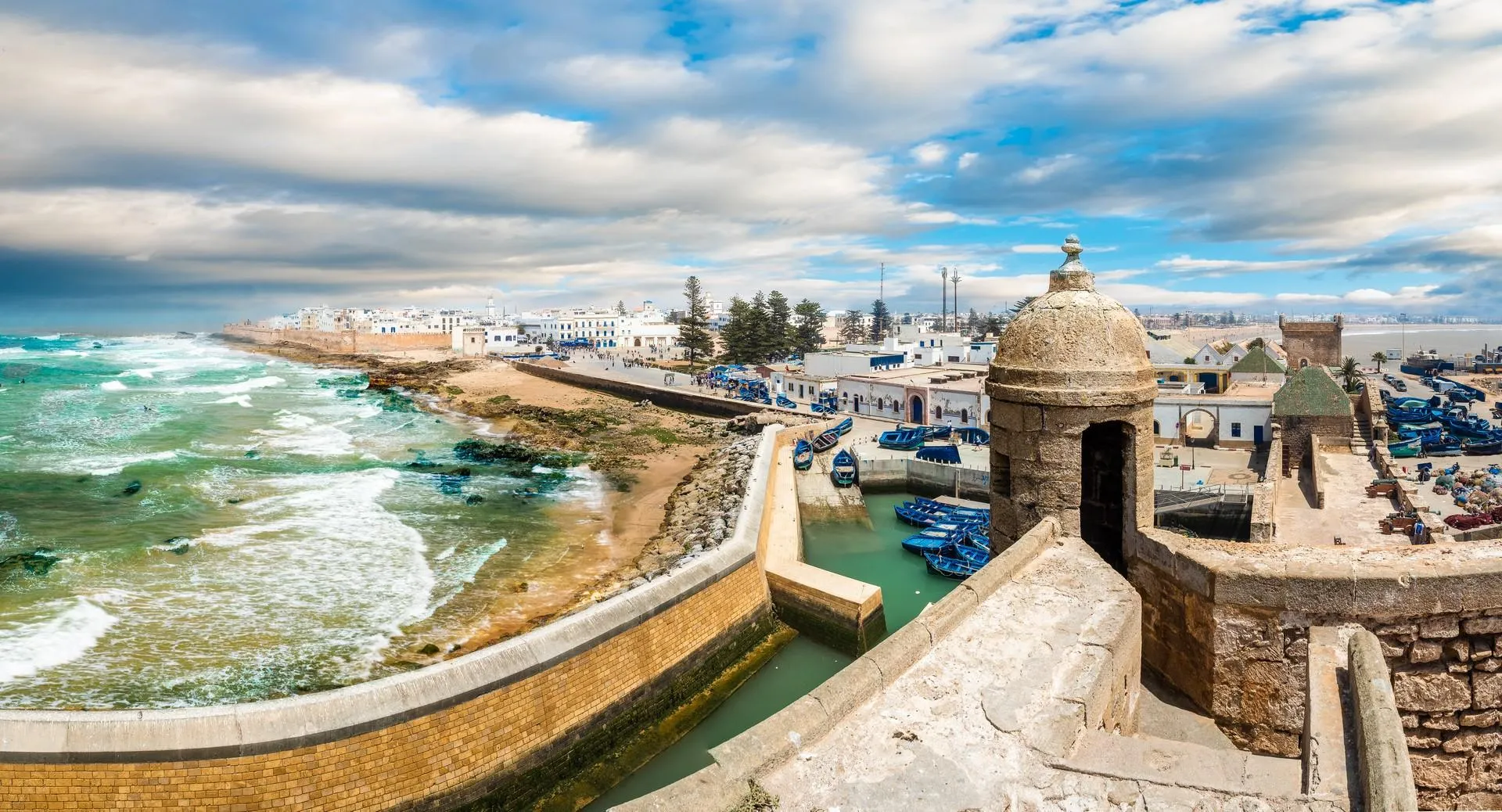
It’s known as the “Windy City of Africa,” which sounds like a terrible marketing slogan until you actually stand on the ramparts and feel the Alizés winds blast the heat right off your skin. It’s cooler here. Calmer. The medina isn’t a trap; it’s a grid – thanks to some French architect named Théodore Cornut who laid it out in the 1700s – so you don’t get that claustrophobic panic you feel in Fes. You see the ocean at the end of the streets. It’s blue on blue on white.
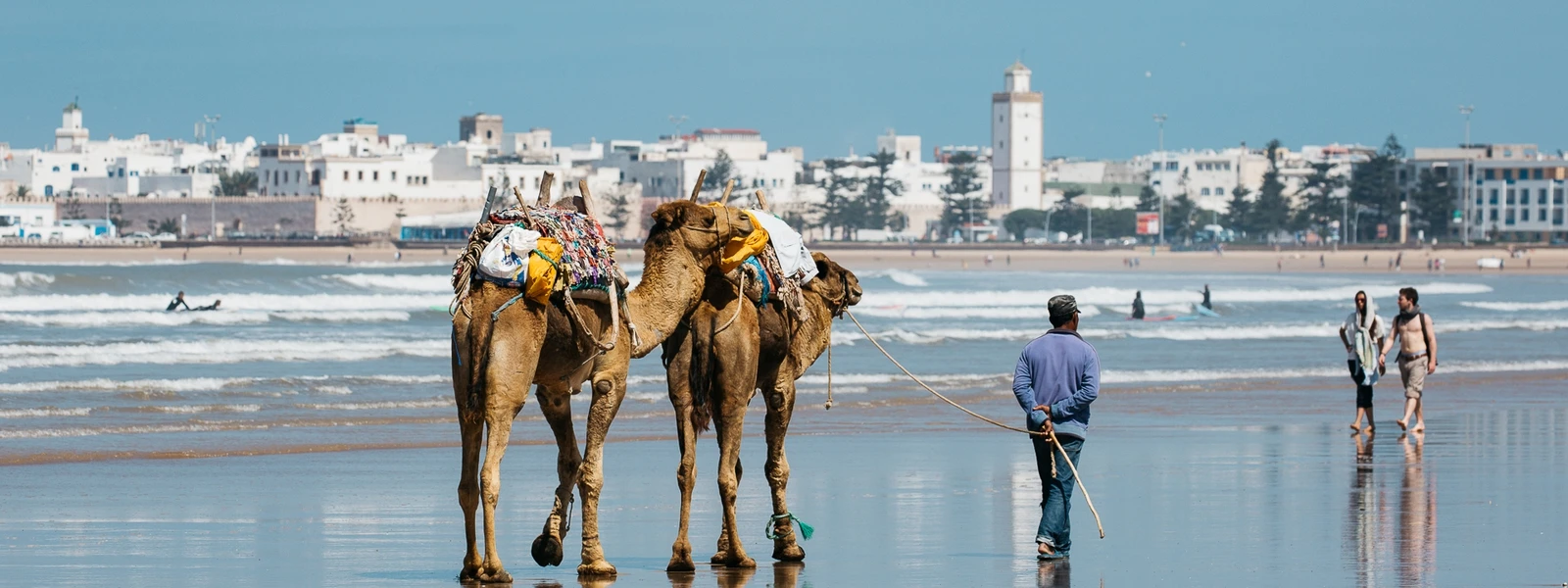
Honestly, the vibe is just… different. Hippies flocked here in the 60s and never really left. There’s a lingering scent of hashish and grilled sardines that hangs over the place. It’s unpolished. The paint peels. The cats look tougher. But standing on the Skala, watching the Atlantic crash against rocks that have been there for centuries, you realize this isn’t a theme park version of Morocco. It’s the real, gritty deal.
A Hidden History: The Roman Secret of the “Purple Islands”
Before you get too comfortable with the surfer vibes, look out at the Mogador Islands directly opposite the beach. They look like jagged rocks covered in birds (Eleonora’s falcons, to be exact), but they hold a bizarre historical secret.
Two thousand years ago, King Juba II established a factory on these islands to produce Tyrian Purple, a dye so expensive it was worth its weight in gold. It was made by crushing millions of murex sea snails. The process smelled absolutely horrific—ancient texts actually complain about the stench—but the dye was the ultimate status symbol for the Roman Empire. If you wore a toga with a purple stripe, you were somebody. Today, the islands are a protected bird sanctuary and off-limits to humans, but it’s wild to think that the most fashionable color in Ancient Rome came from these windy rocks.
Best Time to Visit Essaouira: Weather Patterns, Windy Seasons, and Festivals
Let’s get one thing straight—it is always windy. If you hate wind, you might be miserable here. I’m not joking. But there are levels to it.
Summer (July and August) is when the wind goes nuclear. It’s great for kitesurfers, terrible for wearing a hat. While the rest of Morocco is baking in 45°C (113°F) heat, Essaouira sits at a chilly 20°C. You’ll see tourists shivering in shorts while locals wear leather jackets. It’s hilarious.
Spring and Autumn are the sweet spots. April to June, or September to October. The wind dies down just enough that you can actually sit on the beach without getting sandblasted. Maybe.
The Soundtrack of the City: Gnaoua
If you like chaos and bass guitars, come in late June for the Gnaoua World Music Festival. The town swells. It’s loud, spiritual, packed, and absolutely electric. Prices triple, sleep becomes optional.
But Gnaoua isn’t just a festival; it’s the heartbeat of the city. Originating from enslaved people from sub-Saharan Africa (the Sahel), this music is a spiritual tool for healing. The heavy metal castanets (qrakeb) sound like shackles, and the bass lute (guembri) drives the trance. Outside of festival dates, you can often hear the rhythms echoing from Zaouias (sanctuaries) in the medina at night. It’s not just performance; it’s prayer.
Getting from Marrakech to Essaouira: A Complete Guide to Buses, Grand Taxis, and Private Transfers
Most people come from Marrakech. It’s a straight shot, about 3 hours west. The landscape changes from dusty red plains to Argan trees filled with goats. Yes, the goats are in the trees.
Important Note: The goats standing on the lower branches near the highway are often placed there by handlers for tourists. It’s animal exploitation. Don’t pay for the photo. If you see a goat 20 feet up a tree in the middle of nowhere, that’s the real deal.
The Bus: This is the civilized way to do it. You have two main options: Supratours or CTM. I prefer Supratours. Why? Because their station in Essaouira is right next to the medina gate. CTM drops you further out, and then you have to haggle with a taxi driver, which is a vibe killer.
Tickets are cheap—around 100 MAD ($10). Splurge an extra 10 dirhams for the “Comfort Plus” bus if you want legroom and Wi-Fi that actually works sometimes.
Grand Taxis: These are the big, old Mercedes sedans. They fit six passengers. If you buy one seat, you are squashed. If you want comfort, you have to buy all six seats (about 600-800 MAD total). It’s faster than the bus, but the drivers have a death wish. They overtake on blind curves. It’s thrilling or terrifying, depending on your anxiety levels.
Private Transfer: If you have cash to burn ($60-$80), get a private driver. Door to door. They stop whenever you want. Luxury.
Exploring the UNESCO Medina: A Labyrinth of Blue Doors, Art Galleries, and Souks
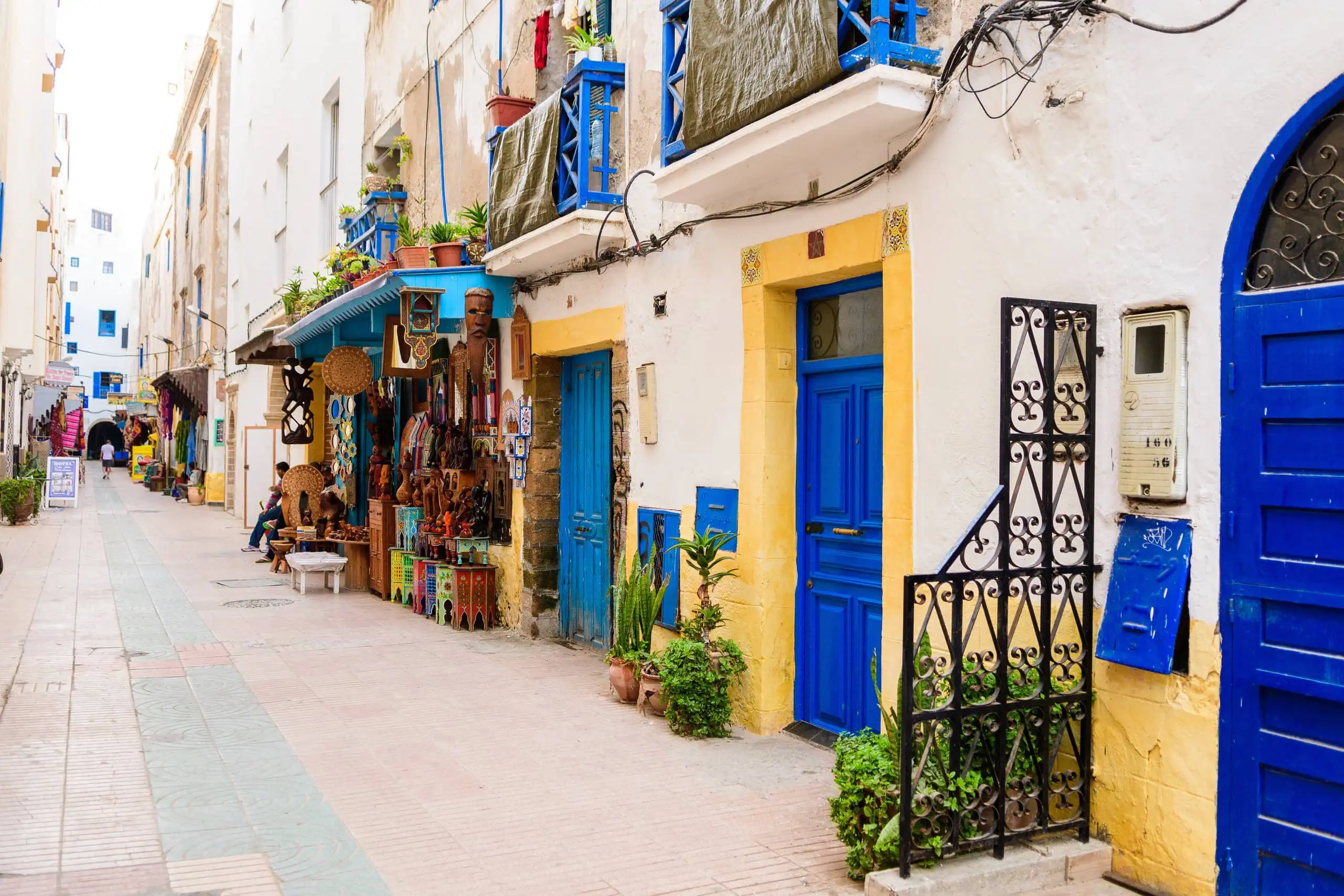
The medina is small. You can walk the whole thing in a morning, but you shouldn’t. The walls are whitewashed, the shutters are that specific “Essaouira Blue,” and the ground is uneven. Watch your step.
It’s a UNESCO site, but people live here. You’ll dodge kids playing soccer and guys carting bread to the communal oven. The shopping is less aggressive than Marrakech. You can actually look at a rug without someone trying to marry you off to their cousin.
The Mellah and Jewish Heritage
You can’t understand Essaouira without acknowledging its Jewish past. For centuries, this was the only city in the Islamic world with a majority Jewish population. Head to the Mellah (the old Jewish quarter) in the northeast of the medina. It’s crumbling and dark in places—a stark contrast to the tourist streets—but it’s rich with history.
You must visit Bayt Dakira (House of Memory). It’s a beautifully restored synagogue (Slat Attias) turned research center initiated by the King’s advisor, André Azoulay. It documents the “exceptional intimacy” between Jews and Muslims in this city. It’s free, polished, and incredibly moving.
The Art Scene
Check out the art galleries near the Skala. Essaouira has a huge naive art scene—colorful, weird, primitive paintings. Galerie Damgaard is the big one, but the tiny holes-in-the-wall have cheaper, grittier stuff.
Walking the Ramparts: The Skala de la Ville and Stunning Atlantic Sunsets
You’ve seen this. Even if you haven’t been here, you’ve seen it. The massive stone walls against the sea. The row of bronze cannons pointing out at… nothing, really. Portugal or something.
The Skala de la Ville is the main fortification. You pay a small fee to get up top. Do it. The wind up here is ferocious. It’ll rip the phone out of your hand if you aren’t careful. But the view back towards the white medina is iconic.
Come at sunset. The sun drops right into the ocean. The seagulls go mental—thousands of them screaming and diving. It’s noisy and wet and beautiful. There’s a circular bastion at the end where everyone takes selfies. Wait your turn or just elbow your way in.
Game of Thrones in Essaouira: A Fan’s Guide to Astapor Filming Locations
“Dracarys.”
Yeah, this is Astapor. The Red City. Where Daenerys bought the Unsullied and then burned the slaver masters.
They filmed mostly on the ramparts (Skala de la Ville) and the Skala du Port (the port fortifications). You’ll recognize the walkway where the Unsullied stood in formation.
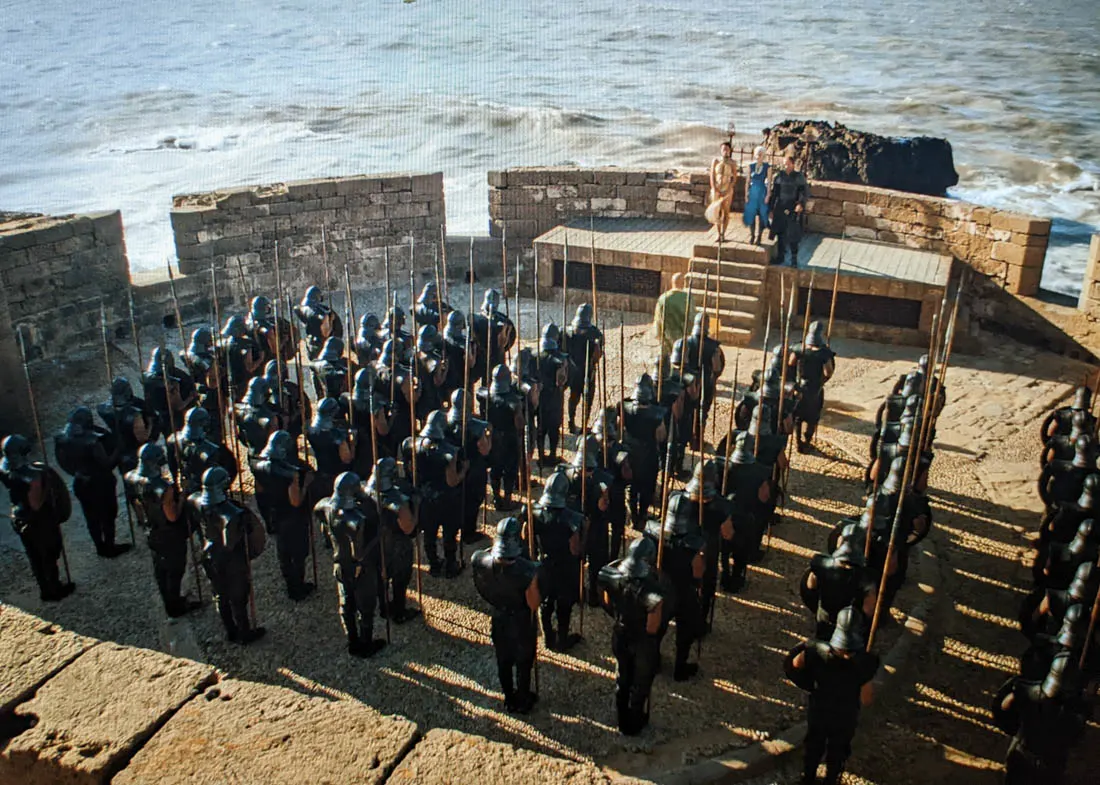
There’s also that squarish tower near the port entrance—where the dragons flew around. It’s hard to miss. You don’t need a guided tour for this. Just rewatch Season 3 before you come and wander around. It’s smaller in real life—CGI did a lot of heavy lifting—but the atmosphere is undeniable. You can almost smell the dragon smoke. Or maybe that’s just burning trash.
Work from Anywhere: The Digital Nomad Scene
Essaouira is rapidly becoming a haven for remote workers who are tired of the chaos in Bali or Lisbon. The time zone is friendly for Europe and the US East Coast, and the cost of living is low.
- Coworking: Noqta Space is the serious hub here. Good chairs, reliable fiber optic (a rarity), and a community of people who actually work.
- Cafes: L’Atelier (also a boutique) has great coffee and decent wifi, but it gets busy. Mandala Society is good for shorter bursts, but please don’t be that guy taking a Zoom call loudly in a tiny cafe.
- Internet: 4G is surprisingly fast. Buy a local SIM card (Maroc Telecom or Orange) the second you land. It’s better than most hotel Wi-Fi.
Top Water Sports Activities: Kitesurfing and Surfing Spots for Every Skill Level
The wind is a curse for beach loungers but a blessing for kiters. Essaouira is world-class for kitesurfing. The bay is protected by the island of Mogador, so the waves aren’t huge right in front of the medina, making it decent for beginners.
There are schools everywhere along the beach boulevard. BleuKite and Explora are solid. They’ll strap you to a kite and drag you through the water until you figure it out.
For actual surfing, the main beach is usually too messy or flat. You need to go south to Sidi Kaouki or north to Moulay Bouzerktoun (only for experts, sharp rocks, big waves). The water is cold. Wetsuit essential. Don’t be a hero.
Beyond the Waves: Camel Rides, Quads, and Cooking Classes
South of the medina, past the paved promenade, the beach turns wild. Dunes roll on for miles. This is where you find the camels.
They sit there, looking bored and judgmental. A sunset camel ride is a cliché, but whatever, it’s fun. The perspective from up there is cool.
Quad Biking: If you want speed, rent a quad bike in Diabat. This little village just south of town is famous because Jimi Hendrix visited once for like three days in 1969 and the locals have been milking it ever since. “Jimi Hendrix Café,” “Jimi Hendrix Hotel.” It’s absurd. But the dunes around Diabat and the ruined “Sultan’s Palace” (half-buried in sand) are amazing to ride through. It feels like a post-apocalyptic movie set.
Cooking Classes: If you want to take the flavor home, book a class at L’Atelier Madada. It’s located in a stunning former almond warehouse. The experience usually starts with a tour of the spice market (where you learn to buy saffron without getting scammed) before heading back to cook Pastilla or Tagine. It’s polished, professional, and you get to eat your creation with wine.
A Taste of the Sea: Best Seafood Restaurants and Street Food Stalls in the Port
Go to the port. Walk past the blue boats. Ignore the smell of diesel and guts. You’ll see a row of blue and white wooden shacks with numbers.
This is the seafood gauntlet.
The guys will hustle you. “Hello friend! Look! Lobster! Shrimp!” They shove menus in your face. It’s intense. Pick a stall that looks busy with locals—or just pick one at random, they’re all sourcing from the same boats 50 meters away.
You point at the raw fish you want. Sea bream, sardines, prawns, calamari. They weigh it. You haggle the price (crucial step). Then they throw it on the grill.
It comes with salad, bread, and soda. It’s fresh, smoky, and messy. You eat with your hands. The stray cats will stare at you. Give them a shrimp head.
Where to Eat in Essaouira: Trendy Cafes, Traditional Moroccan Tagines, and Vegan Options
The food scene in Essaouira punches above its weight. It’s gotten very hipster lately.
- Mandala Society: Great for brunch. Avocado toast, smoothie bowls. Very Instagram.
- Triskala: Hidden in a dark alley. No alcohol, but the food is inventive. Seasonal menu written on a chalkboard. Very cozy, very slow service.
- Umia: If you want a fancy dinner. Concrete walls, mood lighting, expensive wine. The food is modern European-Moroccan fusion.
- Mega Loft: It looks like an antique shop exploded. Funky furniture, live music, decent burgers and tagines.
- Adwak: Traditional. If you just want a really good lamb tagine with prunes without the frills.
Vegan? Easy here. Most Moroccan salads and vegetable tagines are accidentally vegan anyway.
Shopping Guide: Thuya Wood, Argan Oil, and Carpet Scams
You will smell it before you see it. Thuya wood. It’s a burl wood, root of the Tetraclinis tree, native to this region. It smells rich, citrusy, and expensive.
The artisans inlay it with lemon wood and ebony. Boxes, chess sets, tables. The craftsmanship is insane. Visit the Coopérative Artisanale to see fixed prices so you know the baseline before you haggle in the souk.
Argan Oil: This is Argan country. The trees grow here and nowhere else.
Warning: Do not buy the oil sold in clear plastic bottles on the side of the road or from people holding baby goats. It’s likely mixed with vegetable oil.
- Cosmetic Oil: Unroasted. Good for hair and skin.
- Culinary Oil: Roasted nuts. Tastes nutty and delicious on bread.
- Where to buy: Go to a proper boutique like Sidi Yassine or Marjana Cooperative just outside of town. It costs more because it’s real.
Carpets: Similar to Marrakech but sometimes cheaper. The “Azilal” and “Beni Ourain” rugs are everywhere. Check the knot count. Burn a loose thread—if it smells like burnt hair, it’s wool. If it melts, it’s synthetic.
Day Trips and Nearby Gems: Visiting Diabat, Sidi Kaouki, and the Sunday Souk
Sidi Kaouki: 25km south. It’s what Essaouira was 30 years ago. A few surf shacks, a massive wild beach, and donkeys. Go here to surf or just stare at the ocean in silence. Eat at La Mouette et les Dromadaires—excellent food with a sea view.
Had Draa Sunday Souk: If you want to see real rural Morocco, take a taxi 30km inland on a Sunday morning. Had Draa is a massive country market. It’s not for tourists. You’ll see cattle auctions, barbers shaving men in tents, and butchers grilling meat they cut five minutes ago. It’s intense, dusty, and fascinating.
Val d’Argan Winery: Yes, Moroccan wine. It’s about 20 minutes inland. A French guy started it. The wines are Rhône-style (Syrah, Grenache). You can do a tasting and lunch by the pool. The Gris (rosé) is surprisingly good.
Is Essaouira Safe? Essential Travel Tips for Solo Travelers and Families
It’s safer than your hometown probably.
Violent crime is rare. The biggest danger is twisting your ankle on a cobblestone.
Hustlers: There are guys selling “space cakes” or hash. A firm “No” works. They aren’t aggressive like in Tangier.
Solo Female Travelers: You will get catcalled. “Gazelle,” “Shakira,” etc. It’s annoying but usually harmless. Sunglasses and headphones are your best defense. Walk with purpose.
The Wind: I’m mentioning it again. Don’t leave your towel unsecured on the beach. It will end up in the Atlantic.
Money: Cash is king. There are ATMs in the main square (Place Moulay Hassan), but the machines inside the medina often run out of money on weekends.
on’t do half the things on this list because you got stuck drinking tea with a rug merchant for three hours, you did it right.
Our clients thought
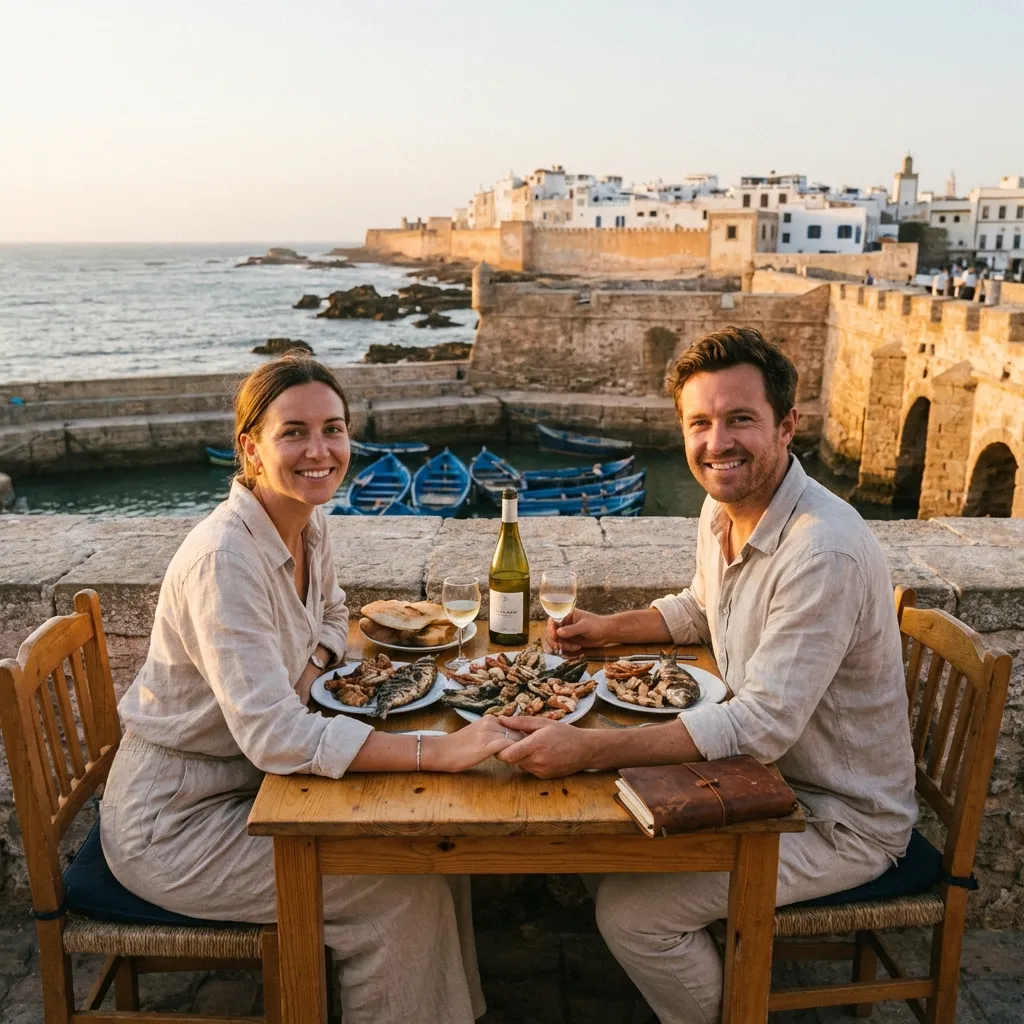
After the hustle and bustle of Marrakech, Essaouira was exactly the breath of fresh air we needed. We are so glad we listened to your recommendation to spend a few nights here! From the fresh grilled seafood at the port to watching the sunset from the ramparts, everything was magical. The riad you booked for us was a dream—tucked away in the medina but pure luxury inside. Thank you for planning the perfect end to our Moroccan honeymoon.
Sarah & James T., United Kingdom
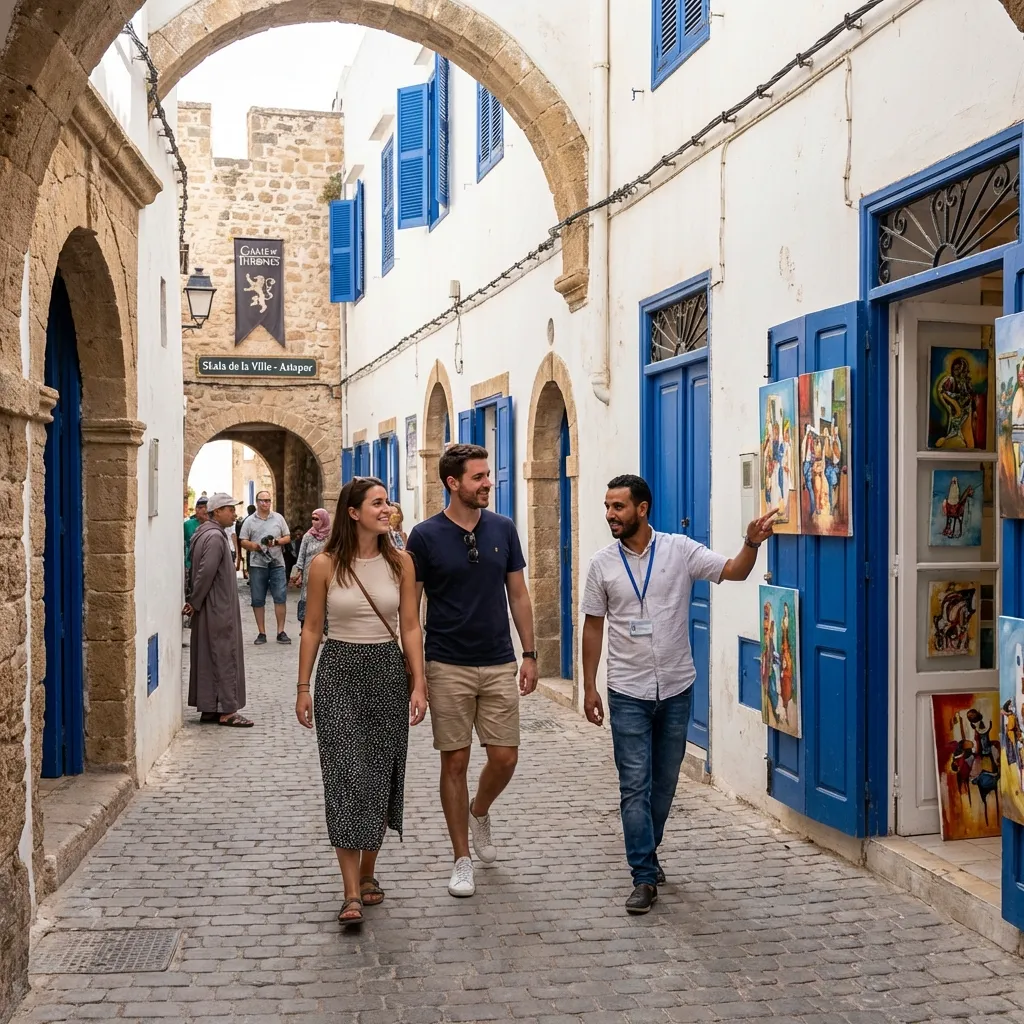
Walking through the blue and white streets of Essaouira felt like stepping onto a movie set. As a Game of Thrones fan, seeing the Skala de la Ville in person was a highlight! Your team made the logistics seamless, and the private guide you arranged was incredibly knowledgeable, showing us hidden art galleries and workshops we never would have found on our own. It truly is the heart of the Atlantic coast.
Elena R., Canada
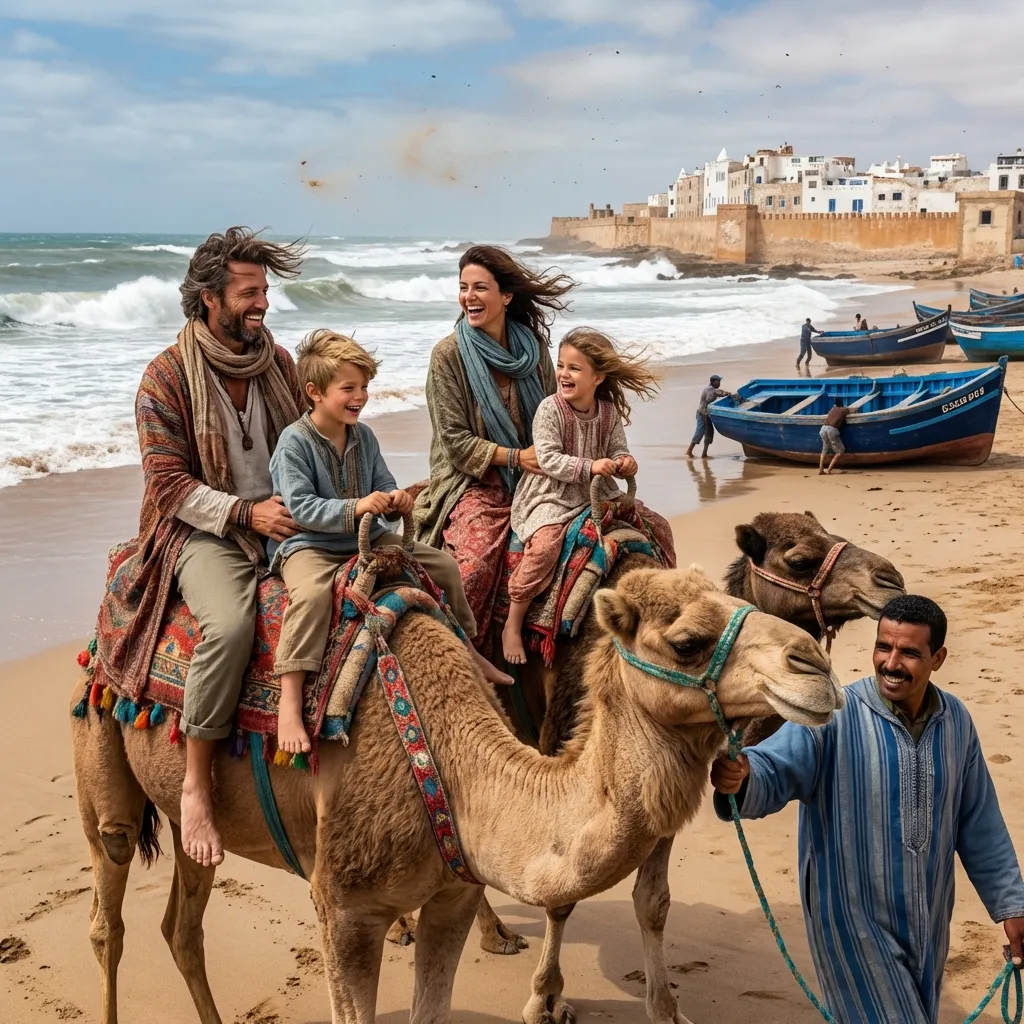
I left my heart in the ‘Windy City.’ The vibe in Essaouira is unmatched—bohemian, artistic, and so welcoming. The camel ride on the beach that you organized was the highlight of our trip, and my kids loved watching the fishing boats come in. It’s rare to find a travel agency that nails the details so perfectly; the transfers were smooth and the drivers were so friendly. We are already planning our return trip with you!